
Is invisalign better than braces? Your expert guide at Laurel Smile Design in Laurel, MD ?
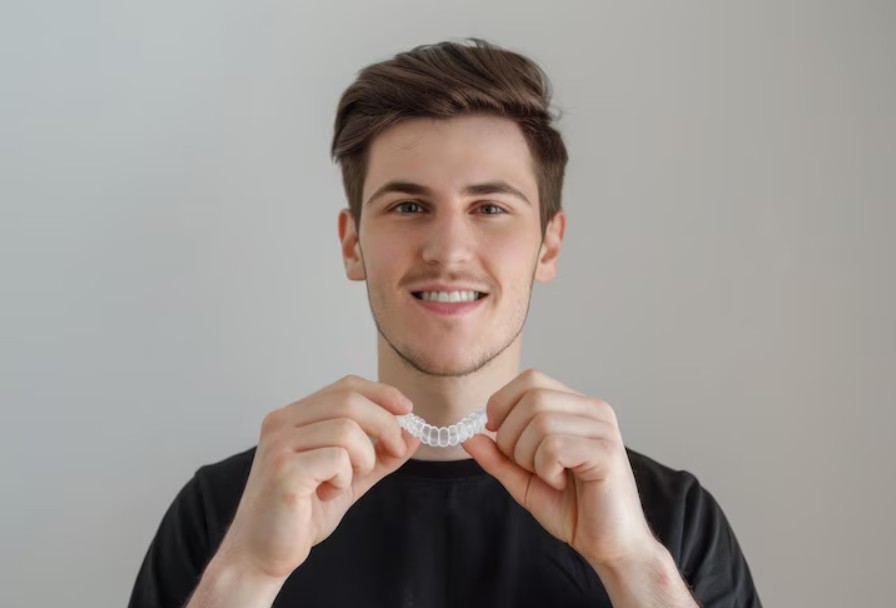
When it comes to achieving a confident and healthy smile, the journey often involves orthodontic care. Whether for cosmetic reasons or to correct functional dental issues, the decision between Invisalign and traditional braces can feel overwhelming. At Laurel Smile Design, our goal is to make that choice clearer by providing the insights and experience patients need to move forward confidently. With advancements in orthodontics and growing preferences for more discreet treatment options, many individuals are now asking, “Is Invisalign better than braces?” The answer depends on your needs, lifestyle, and dental condition.
Understanding both methods is crucial before making a commitment. Invisalign offers a nearly invisible way to align teeth using clear plastic aligners, while braces rely on metal brackets and wires that gradually guide the teeth into place. Both have their advantages, and one might be better suited for you than the other. Our dentists at Laurel Smile Design take a personalized approach to help determine what is best for each patient. If you are exploring options for orthodontic treatment, this detailed guide will help you learn more about both Invisalign and traditional braces and how our experienced team can assist with Invisalign in Laurel, MD.
Understanding Traditional Braces
Braces have been the cornerstone of orthodontic treatment for decades. They consist of metal brackets attached to the teeth and connected with wires and rubber bands. Over time, the tension in the wires slowly moves the teeth into the desired position.
1. How Braces Work
Braces apply continuous pressure over a period of time to gradually shift teeth. Adjustments are typically made every 4 to 6 weeks to guide the teeth further. Depending on the complexity of the case, treatment can last anywhere from one to three years.
2. Benefits of Traditional Braces
- Effective for complex cases: Braces are often better for severe misalignments, bite issues, or rotation of teeth.
- Permanent appliance: Since they are fixed to the teeth, there is no risk of losing them or forgetting to wear them.
- Multiple options: While metal braces are most common, patients can also choose ceramic or lingual braces.
3. Challenges of Braces
- Visibility: Braces are noticeable, which can affect the confidence of some patients.
- Diet restrictions: Hard or sticky foods must be avoided to prevent damage.
- Oral hygiene challenges: Brushing and flossing become more time-consuming and require special tools.
Introduction to Invisalign
Invisalign is a modern alternative to traditional braces. It involves wearing a series of clear plastic aligners that are custom-made to fit snugly over the teeth. These aligners are removable and replaced approximately every two weeks to continue the alignment process.
1. How Invisalign Works
Invisalign uses 3D imaging technology to design a sequence of aligners that gradually shift your teeth. Each set moves the teeth slightly until they are correctly aligned. These aligners must be worn for at least 20–22 hours a day to be effective.
2. Benefits of Invisalign
- Nearly invisible: The clear plastic makes the aligners difficult to see.
- Removable: You can take them out to eat, drink, brush, and floss.
- Fewer dental visits: Invisalign often requires fewer in-office adjustments.
- Comfortable: No wires or brackets means less irritation to gums and cheeks.
3. Challenges of Invisalign
- Requires discipline: Aligners must be worn consistently.
- Not ideal for all cases: Invisalign may not be effective for severe misalignments.
- Higher cost: Invisalign can be more expensive depending on the case and provider.
Aesthetic Differences Between Invisalign and Braces
One of the biggest factors influencing a patient’s decision is how the treatment looks. Teenagers and adults alike often prefer Invisalign because it is far less noticeable than traditional braces. The aligners are made of smooth, clear plastic that blends with your natural teeth. Braces, on the other hand, are more apparent and can sometimes affect self-esteem during treatment.
For adults in professional settings or teens wanting to avoid the stigma of metal brackets, Invisalign can be an appealing choice. However, some patients view the visibility of braces as a minor issue, especially when the end result is a straighter smile.
Comfort and Lifestyle Considerations
Wearing orthodontic appliances will affect your lifestyle to some degree, no matter which option you choose. However, Invisalign offers some advantages in terms of comfort and flexibility.
1. Invisalign and Comfort
Invisalign aligners are smooth and custom-fit, minimizing irritation. There are no wires poking into soft tissue or brackets that can scrape against the mouth. Patients usually experience some pressure during the initial days of a new aligner, but this discomfort is typically mild and short-lived.
2. Braces and Daily Life
Braces can cause soreness, especially after adjustments. The metal components can irritate the cheeks, lips, and tongue. Eating can also be more complicated with braces, as sticky or hard foods must be avoided.
3. Social and Practical Benefits of Invisalign
- Remove aligners for special events
- Eat whatever you like
- No emergency visits for broken brackets or wires
- Easier brushing and flossing
Despite these conveniences, patients must be disciplined about wearing their aligners consistently. Removing them too often or forgetting to wear them can delay progress.
Treatment Duration Comparison
The length of treatment can vary significantly based on the complexity of the dental issues being corrected.
1. Invisalign Duration
Invisalign treatment can take as little as 6 months for minor adjustments or up to 18 months for moderate cases. Since the aligners are switched out every couple of weeks, progress is steady and predictable.
2. Braces Duration
Braces are typically worn for 18 to 36 months. More severe dental problems may take longer to resolve. However, braces are fixed and work around the clock, which ensures progress even if a patient is less attentive to oral care routines.
While Invisalign may appear faster, results depend on how consistently the aligners are worn. A patient who wears aligners less than the recommended 22 hours daily may experience longer treatment times.
Cost Considerations: Invisalign vs. Braces
Cost is often a deciding factor when choosing between Invisalign and braces. Several variables influence pricing, including the severity of the case, location, and dental provider.
1. Invisalign Costs
Invisalign tends to be more expensive than traditional braces, with prices ranging based on treatment complexity. The technology used, including digital scans and custom aligners, adds to the total cost. However, many patients find the added convenience and aesthetic appeal worth the investment.
2. Braces Costs
Braces are generally more affordable. They have been in use for decades and require fewer specialized materials. Insurance coverage often applies to both types of treatment, and some providers offer payment plans to ease the financial burden.
At Laurel Smile Design, our team offers transparency in pricing and works with patients to explore their financial options. Each case is evaluated individually to determine the most effective and affordable treatment.
Maintenance and Oral Hygiene
Keeping your teeth clean during orthodontic treatment is vital to avoid complications like decay or gum disease.
1. Invisalign Hygiene
Since the aligners are removable, it is easier to maintain regular oral hygiene. Brushing and flossing can be done normally. However, the aligners themselves must be cleaned regularly using a soft brush and mild soap or Invisalign cleaning crystals. Failing to clean aligners can lead to discoloration and odor.
2. Braces Hygiene
Braces require more effort to keep clean. Food particles easily get trapped around brackets and wires. Patients must use special tools like floss threaders, interdental brushes, or water flossers. Neglecting proper hygiene can result in plaque buildup, staining, and gum irritation.
Who is a Good Candidate for Invisalign?
Invisalign is ideal for patients with mild to moderate dental issues, such as:
- Crowded teeth
- Small gaps between teeth
- Minor bite issues (overbite, underbite, crossbite)
Patients must be committed to wearing their aligners consistently and maintaining good oral hygiene.
For individuals with severe malocclusion, rotated teeth, or large gaps, braces may be more effective. The fixed nature of braces allows for more controlled and aggressive treatment.
At Laurel Smile Design, our experienced dental team performs a thorough evaluation using digital scans and X-rays to determine which option is better suited to your needs.
Personalized Treatment at Laurel Smile Design
Choosing between Invisalign and braces is not a one-size-fits-all decision. Our team at Laurel Smile Design in Laurel, MD, prioritizes personalized care, listening to your concerns and guiding you every step of the way.
What Makes Our Approach Unique?
- Comprehensive evaluation: We assess your dental history, bite, and alignment before recommending a treatment plan.
- Patient education: You will understand your options, benefits, and potential challenges before beginning any treatment.
- Experienced team: Our dentists have years of experience with Invisalign and orthodontics, ensuring precise results.
- Advanced imaging: We use 3D technology to map your smile and visualize expected results before you even begin.
We believe every patient deserves a smile that boosts their confidence and supports long-term oral health. Whether Invisalign or braces are right for you, we are here to provide expert support and trusted care.
Summary: Invisalign vs. Braces—Which One Wins?
There is no universal winner in the debate between Invisalign and braces. Both options provide excellent results, and the right choice depends on individual needs and goals. Invisalign offers discreet, flexible treatment that appeals to adults and teens seeking a subtle solution. Braces remain the go-to option for more complex dental corrections and provide consistent, long-term alignment.
The key is to receive expert guidance, and at Laurel Smile Design, we are dedicated to helping you make that choice with confidence. We treat every patient like family and make sure your journey to a straighter smile is smooth, informed, and rewarding.
If you are considering Invisalign in Laurel MD or want guidance from a trusted Dentist in Laurel, MD, our team is ready to assist. Schedule a consultation with Laurel Smile Design today to take the first step toward a healthier, more confident smile. Your smile deserves the best—let us help you achieve it.