
A dental emergency can happen without warning, while eating something hard, playing sports, or even waking up with sudden pain. These situations can feel scary because the mouth is very sensitive, and even small issues can cause strong discomfort. Many people are unsure of what to do at that moment, which makes it even more stressful. Understanding a few simple steps can help you stay calm, protect your mouth, and get the right help from a Dentist in Laurel, MD when urgent care is needed.
A dental emergency includes any problem in the mouth that needs immediate attention, such as pain, bleeding, swelling, or damage to a tooth. Sometimes the signs are obvious, like a broken or knocked-out tooth, but other times they start small and get worse quickly. Strong pain, nonstop bleeding, swelling, sensitivity, or signs of infection should never be ignored. Acting quickly can prevent bigger issues and ensure you get the proper care from a trusted Laurel Dentist before the problem becomes more serious.
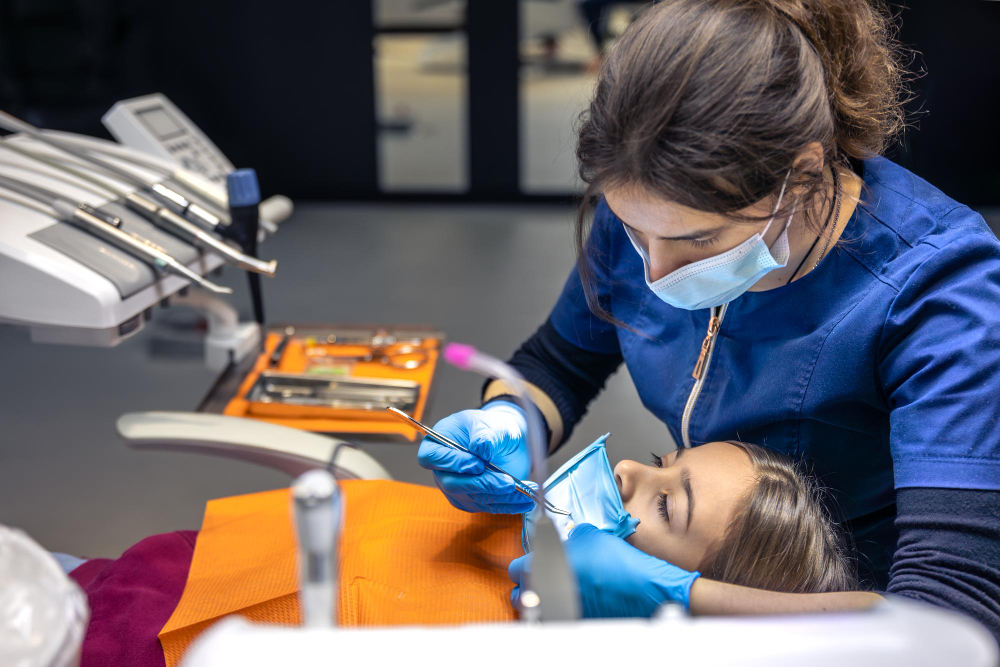
Step 1: Stay Calm and Check the Situation
The very first thing you should do when an accident happens to your teeth or mouth is to keep your cool. It is normal to feel scared or stressed but, if you can, take a moment to breathe as it will definitely help you think more clearly. Make an effort to figure out what it was. Has a tooth been broken? Is there bleeding? Is there swelling? Did somebody hit your mouth? Knowing the situation will enable you to decide on the correct next step without losing your self-control.
Step 2: Reduce Pain Safely
Pain is what you will most probably come across when there is a dental problem. While waiting for assistance, you can do a few things that are safe and will lower the pain. Salt-water rinsing the mouth can be done gently and it will definitely be helpful to the area as far as cleaning is concerned. A cold cloth or an ice pack, if it is wrapped in a towel, you can put on your cheek so that the swelling can subside. If you want, you may take a common pain medicine but never put an aspirin straight on the gums. The pain can become more severe if you lie down flat, so it would be better if you keep your head raised.
Step 3: Stop Bleeding if It Happens
When you experience bleeding inside the mouth, use a clean gauze or a cloth to press the bleeding area gently. Most of the time bleeding slows down after a few minutes. Do not rinse a lot as it may cause the bleeding to start again. If bleeding does not stop, becomes more than usual, or keeps coming, then it may be a wound deeper than the gums or tissues. So, in those situations, it is very important that you get help quickly because bleeding that goes on constantly is not something that is normal.
Step 4: What to Do if a Tooth Falls Out
When a tooth is forcibly taken out, it is a serious dental emergency. Sometimes, if this is done fast enough, the tooth can be saved. In case a tooth comes out, take hold of it gently by the part that is the most and not by the root. Do not scrub or scrape it. If there is dirt on it, rinse it lightly with milk or clean water. If you can, carefully put it back into the socket. If that is uncomfortable, then put the tooth in milk or in your cheek to keep it wet. The best chance to save a tooth is by getting help quickly.
Step 5: Handling a Broken or Chipped Tooth
The breaking, chipping, or fracturing of a tooth may make the victim feel uncomfortable due to the sharpness, and in such cases, you may want to try finding the fragments and saving them if you can. Slowly rinse your mouth to take out any tiny fragments. You can cover the sharp parts with dental wax or sugar-free gum so that your tongue and cheeks do not come into contact with them. Do not chew on that side of the mouth which is injured. Although, only a tiny chip, a dentist should still have a look at it because it can become bigger or cause pain later on.
Step 6: Watch for Swelling or Signs of Infection
Swelling either in the face or mouth can be a sign of an infection, especially if along with that there is a bad taste, pus, fever, or difficulty in opening the mouth. Infections that take place in the mouth can spread rapidly and if they are ignored, they can sometimes be dangerous. Don’t ever press or try to let the swelling out by yourself. If swelling makes breathing, swallowing, or the eyes difficult, you should be given medical attention immediately. Under such circumstances, it is beneficial to get advice from a Dentist near Laurel, MD who can guide you to the right steps and also prevent the situation from getting worse.
Step 7: Avoid Unsafe Home Remedies
Lots of individuals resort to home tricks which they have heard from others, but some of them may bring about more harm than good. Do not use sharp objects to free the food that is stuck between your teeth. Do not put aspirin on your gums. Don’t use glue to mend your broken tooth. Don’t keep your pain to yourself for many days. Avoid taking online advice that sounds uncertain. In fact, dental emergencies call for proper treatment not instant solutions. Taking the right steps will ensure the safety of your mouth and they will also help you to prevent further damage.
Step 8: Contact a Dental Office for Emergency Care
It is most vital to seek professional help after you have taken the initial steps. An emergency dental care facility can look into the issue, provide relief, prevent infection, and save the tooth. In fact, most emergencies can be treated within a day. The sooner the treatment takes place, the less the pain will be, the chances of complications will be lower, and thus, the tooth will be saved more probably. The team which is there to care for you can tell you what is going on and give you comfort.
Step 9: Why Trusted Dental Team Supports You
No one asks for a painful situation, but it will come at some point. If it happens to you, however, it will be less terrible if you have the “have to call” list ready. This list must, of course, contain a dental team that you trust. It is also a fact these people can resuscitate quickly, give you clear instructions and treat you in a gentle way. The satisfied patients say they feel more comfortable and relaxed, being in the hands of the “right ones”. While the emergency services take care of you, the routine and preventive care are the best your oral health can get for the long run. During difficult moments, the professional and amiable care of Dr. Amna Choudhary & Dr. Sunny Choudhary can actually make the hard moments lighter and less stressful when urgent help is required.
Step 10: Ways to Limit Dental Emergencies Later
The truth is that not all emergencies can be prevented, but a great number of them can be stopped with simple everyday habits. The reason is simple, in that frequent visits to the dentist allow small problems to be found early before they become large ones. The daily brush and floss are the ways to keep both the gums and the teeth healthy. The bar for injuries during the sports will be much lower if players are not using mouthguards which not only protect the teeth but also the cheeks and jaw. Besides it is dangerous, do not nib on ice, pens, or very hard treats which can chip off the teeth. Resolving the cavity or sensitivity issue at the early stage is a surefire way to avoid the development of the later pain. Practicing good oral hygiene in terms of brushing, flossing, and regular dental visits reduce the risk of unexpected dental problems.
Step 11: When to Find Medical Emergency Room
There are cases when a dental emergency needs medical help beside that of a dentist. The call for a hospital emergency department must come immediately if the person experiences bleeding that is very heavy and does not stop, fractured jaw, difficulty in breathing, severe facial trauma, and symptoms of infection spreading. As the expression goes, the health of the mouth and the body are connected, therefore in some very rare cases both may have to be treated at the same time.
Step 12: Feel Prepared Brings Inner Calm
In case any unfortunate event happens involving your teeth, the knowledge of what steps to take is undoubtedly a great source of confidence and a definite fear reducer. Knowing the steps, understanding how to alleviate the pain, as well as not using any risky methods are things that safeguard teeth and gums. Another thing that can help you to make a quick move when the need arises is the emergency phone numbers which should always be at hand. Being totally “ready” means being never completely caught off guard.
Conclusion
Dental emergencies are a family of emotions–stressful, painful and confusing, but with a little planning and few steps they are bearable. By staying calm, protecting the injured area, pain relief by safe methods, avoiding harmful at-home methods and seeking quick help, one can see more favorable results and less recovery time. It is a revelation to many but in case of sudden pain, injury, swelling or bleeding your immediate action is the best move for protecting both your beautiful smile and your overall health.
Moreover, trusted care close means you are never alone during a dental emergency. The good things and the relief are always possible with the right care and quick response when a dentist near Laurel, MD is ready to lend a hand. Contact us today!