
Cavities are one of the most common dental problems among children, yet they are also one of the most preventable. Many parents assume that baby teeth are not as important because they eventually fall out, but this belief can lead to long-term dental issues. Healthy baby teeth help children chew properly, speak clearly, and guide permanent teeth into the correct position.
That is why choosing the right dental care provider for your child matters so much. At Laurel Smile Design, a trusted Family Dentist in Laurel, MD focuses on protecting children’s teeth, teaching healthy oral habits, and preventing cavities before they turn into painful dental problems. In this blog, we’ll explore how family dentistry supports cavity prevention and why early dental care plays a key role in building a lifetime of healthy smiles.
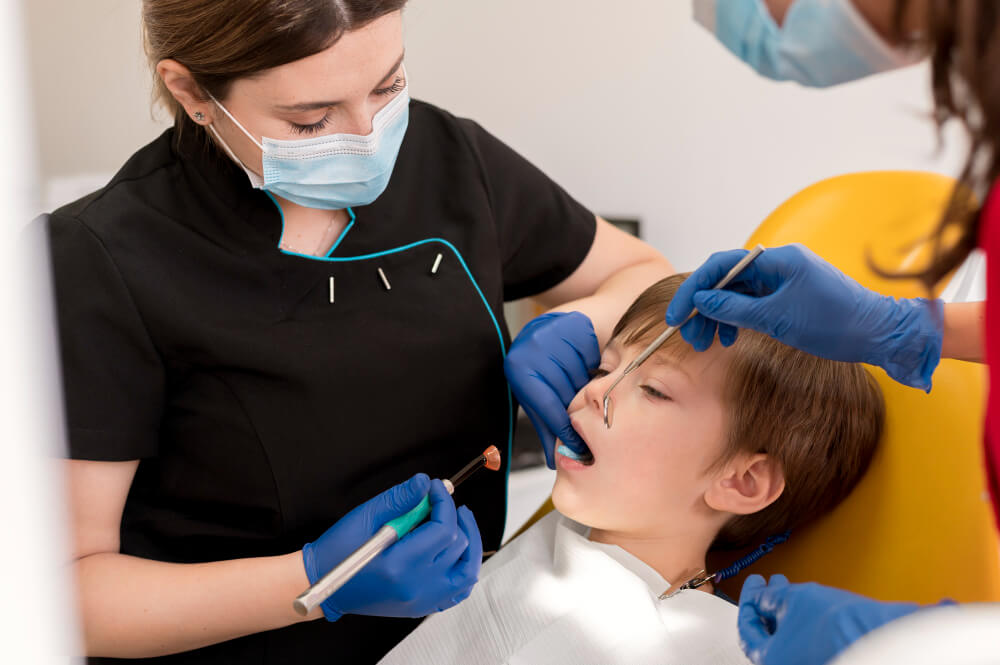
Why Are Cavities So Common in Children?
Children are naturally more prone to cavities than adults. Their enamel is thinner, their brushing habits are still developing, and they often consume sugary snacks and drinks. Add busy schedules and occasional skipped brushing, and cavities can form quickly. Another reason cavities are common is that many children don’t recognize early warning signs. Tooth decay often begins without pain, making it easy for parents to miss until the damage becomes more serious. Regular dental visits help catch these problems early, long before they require complex treatments.
What Does a Family Dentist Do Differently for Children?
A family dentist focuses on patients of all ages, but special attention is given to children’s unique needs. Pediatric-friendly care is not just about smaller tools or colorful offices; it’s about understanding how children grow and how their oral health changes over time. A family dentist monitors jaw development, tooth formation, and bite alignment while also making sure children feel safe and comfortable. This gentle, educational approach encourages kids to see dental visits as a positive experience rather than something to fear.
Preparing Your Child for Their First Dentist Visit
One of the most common questions parents ask is when their child should first see a dentist. Dental professionals recommend scheduling the first visit by a child’s first birthday or when the first tooth appears. Early visits allow the dentist to check for any developmental concerns and guide parents on proper cleaning techniques. These early appointments are also key to cavity prevention because they establish healthy habits before problems begin.
How Do Regular Dental Cleanings Help Prevent Cavities?
Professional cleanings remove plaque and tartar that regular brushing cannot eliminate. Even children who brush daily can miss certain areas, especially along the gumline and between teeth. During a cleaning, the dentist or hygienist gently removes buildup and polishes the teeth, making it harder for bacteria to stick. Regular cleanings also allow the dentist to spot early signs of decay and address them immediately, preventing small issues from becoming painful cavities.
Importance of Fluoride in Dental Care
Fluoride is one of the most effective tools for preventing cavities in children. It strengthens tooth enamel, making it more resistant to acid attacks caused by bacteria and sugary foods. A family dentist may recommend in-office fluoride treatments during routine visits, especially for children at higher risk of cavities. These treatments are quick, painless, and provide added protection that lasts for months.
How Can Dental Sealants Protect Children’s Teeth?
Dental sealants are another powerful preventive measure. They are thin, protective coatings applied to the chewing surfaces of back teeth, where cavities most often develop. These areas have deep grooves that are difficult for children to clean thoroughly. Sealants act as a barrier, keeping food particles and bacteria out. Many parents are surprised to learn that sealants can significantly reduce the risk of cavities for several years.
Steps to Maintain Healthy Teeth and Gums
Children often think they are brushing well, but technique matters more than speed. A family dentist takes time to demonstrate proper brushing and flossing methods in a way children can understand. By showing kids how to reach all surfaces of their teeth and explaining why flossing is important, dentists help turn daily oral care into a habit rather than a chore. Parents also receive guidance on how to supervise brushing at home and when children can safely brush on their own.
Why Is Diet Counseling Important for Preventing Cavities?
What children eat has a direct impact on their dental health. Sugary snacks, juices, and sticky foods feed harmful bacteria that cause tooth decay. A family dentist educates parents and children about smart dietary choices that support strong teeth. Rather than eliminating all treats, dentists focus on balance and timing. They explain how limiting sugary snacks between meals, choosing water over juice, and including tooth-friendly foods like cheese and crunchy fruits can greatly reduce cavity risk.
How Does a Child-Friendly Dental Environment Reduce Cavity Risk?
A positive dental experience encourages regular visits, which are essential for cavity prevention. When children feel comfortable and relaxed, they are more likely to cooperate during exams and cleanings. A welcoming dental environment helps reduce anxiety and builds trust. This makes it easier for dentists to perform thorough exams and for children to speak up if something feels uncomfortable, allowing issues to be addressed early.
Effects of Early Cavity Detection on Your Teeth
Finding a cavity early can make a big difference. Small cavities can often be treated quickly with minimal discomfort. Early treatment also prevents the decay from spreading to deeper layers of the tooth, which could lead to infection or tooth loss. Regular checkups ensure that cavities are detected in their earliest stages. This saves time, reduces stress for both parents and children, and helps preserve natural teeth.
How Does Preventive Dental Care Save Parents Money?
Preventive care is not only better for your child’s health, but it’s also more affordable in the long run. Cleanings, fluoride treatments, and sealants cost far less than fillings, crowns, or emergency dental procedures. By focusing on prevention, families can avoid unexpected dental expenses and ensure their child maintains a healthy smile without unnecessary treatments.
How Can Parents Support Cavity Prevention at Home?
While dental visits are essential, cavity prevention also depends on daily habits at home. Parents play a key role by setting routines, supervising brushing, and modeling good oral hygiene. Encouraging children to brush twice a day, floss regularly, and maintain a balanced diet reinforces what they learn at the dental office. When dental care becomes part of everyday life, children are more likely to carry these habits into adulthood.
Benefits of Choosing a Trusted Dentist for Kids
Parents often search online for a “Dentist near me” when looking for dental care, but it’s important to look beyond convenience. Experience, approach, and preventive focus matter greatly when it comes to children’s dental health. A dentist who understands family dentistry can provide consistent care as your child grows, addressing changing needs at every stage of development.
How Does a Family Dentist Support Long-Term Oral Health?
Preventing cavities in childhood sets the foundation for lifelong oral health. Children who receive regular preventive care are more likely to have fewer dental issues as adults. By building trust, teaching healthy habits, and providing ongoing preventive treatments, a family dentist supports not just healthy teeth, but confident smiles for years to come. A dedicated Family Dentist in Laurel, MD helps guide families through every stage of dental development with care and expertise.
Final Thoughts
Cavities don’t have to be a normal part of childhood. With the right dental care, education, and preventive strategies, children can enjoy strong, healthy teeth well into adulthood. Regular visits, professional cleanings, fluoride treatments, and guidance on daily habits all work together to keep cavities away.
Choosing a dentist who focuses on family-centered, preventive care makes all the difference. By partnering with a trusted Family Dentist in Laurel, MD, parents can feel confident that their child’s smile is in safe hands today and for the future. To get more details, contact us today!
FAQ’s
1. How often should my child visit a family dentist?
Children should visit a family dentist every 6 months for regular checkups and cleanings. These visits help prevent cavities and catch small dental problems early before they become painful or expensive to treat.
2. At what age should my child first see a dentist?
Your child should have their first dental visit by age 1 or when their first tooth appears. Early visits help build healthy habits and allow the dentist to guide parents on proper oral care.
3. Are cavities in baby teeth really a big problem?
Yes. Cavities in baby teeth can cause pain, infection, and difficulty eating or speaking. Baby teeth also guide permanent teeth into the right position, so keeping them healthy is very important.
4. How can I prevent cavities in my child’s teeth at home?
You can prevent cavities by:
- Brushing your child’s teeth twice a day
- Using fluoride toothpaste
- Limiting sugary snacks and drinks
- Encouraging drinking water instead of juice or soda
- Making sure your child flosses daily
5. What are the early signs of cavities in children?
Early signs may include:
- White or brown spots on teeth
- Sensitivity to cold or sweet foods
- Bad breath
Many cavities don’t cause pain at first, which is why regular dental checkups are important.