
Regular dental cleanings are one of the easiest ways to protect your smile, yet many people are unsure how often they truly need them. Some wait until they feel pain, while others skip visits because life gets busy. The truth is, preventive dental care plays a major role in keeping your teeth healthy, your gums strong, and even your overall health in check. Routine cleanings help remove plaque buildup, prevent gum disease, and catch small dental issues before they turn into bigger problems.
At Laurel Smile Design, patients often ask how frequently they should visit a Laurel Dentist for professional cleanings. If you’ve ever wondered whether you’re going often enough, this guide will help clear the confusion. By understanding general dental recommendations and the personal factors that affect your oral health, you can make informed decisions and keep your smile healthy for years to come.
Why Are Regular Dental Cleanings So Important?
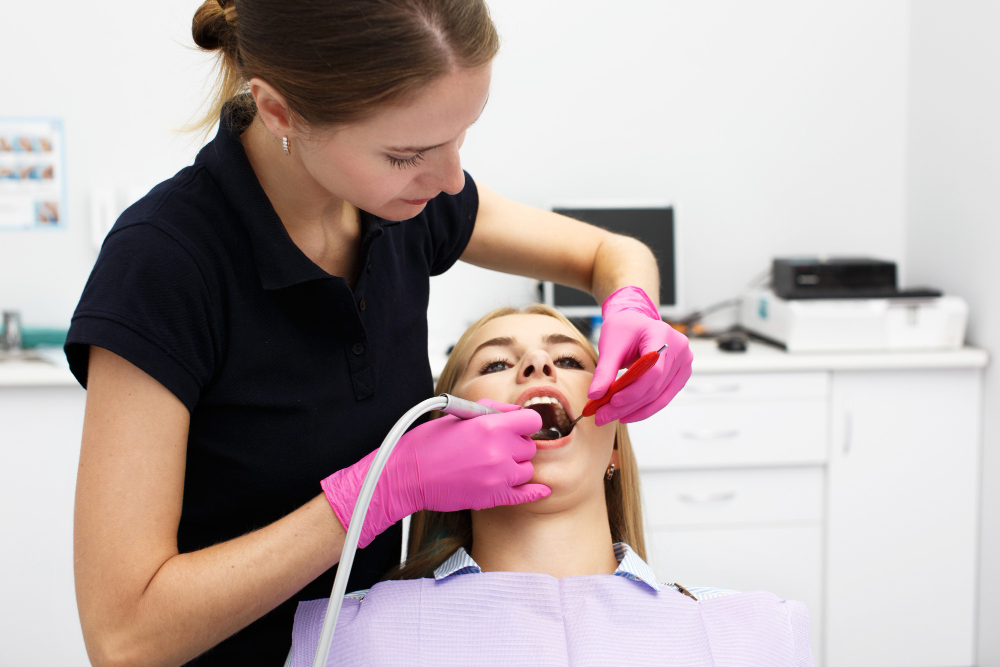
Dental cleanings go far beyond making your teeth look shiny. Even with excellent brushing and flossing habits, plaque and tartar can build up in areas that are hard to reach at home. Over time, this buildup can lead to cavities, gum disease, bad breath, and even tooth loss. Professional cleanings remove hardened plaque that regular brushing cannot. They also allow your dentist to spot early signs of problems before they become painful or expensive to treat. Visiting a Laurel Dentist regularly means protecting not just your smile, but your long-term health as well.
How Often Do Most People Need a Dental Cleaning?
For the majority of adults and children, dentists recommend a professional cleaning every six months. This schedule helps prevent plaque buildup, keeps gum disease at bay, and allows for routine dental exams. A six-month visit is ideal because plaque can harden into tartar within weeks. Once tartar forms, it can only be removed with professional tools. Seeing a Dentist in Laurel MD twice a year ensures your teeth stay clean and your gums remain healthy. However, this is only a general guideline. Your personal dental health may require more frequent visits.
Can Some People Benefit from More Frequent Cleanings?
Yes, absolutely. While twice a year works for many, some people need cleanings every three or four months. This is especially true for individuals with certain dental or medical conditions. If you have gum disease, frequent cleanings help control bacteria and prevent further damage. Smokers, people with diabetes, and those with a history of cavities may also need more regular care. Your dentist will recommend a schedule that fits your unique needs rather than a one-size-fits-all approach.
Risks of Avoiding Regular Dental Cleanings
Skipping cleanings may not cause immediate pain, but problems can develop quietly. Plaque buildup can lead to cavities, and untreated gum inflammation can progress into periodontal disease. Gum disease is one of the leading causes of tooth loss in adults. Missed cleanings also mean missed opportunities to detect issues early. Small cavities or minor gum problems are easier and more affordable to treat when caught early. Regular visits to a Laurel Dentist help you avoid unnecessary discomfort and costly treatments in the future.
How Does Gum Health Affect Cleaning Frequency?
Your gums play a crucial role in oral health. Healthy gums are firm, pink, and do not bleed easily. If your gums bleed during brushing or flossing, it may be a sign of gingivitis or early gum disease. People with gum issues often need deeper cleanings called scaling and root planing. After that, maintenance cleanings every few months may be necessary to keep bacteria under control. A trusted Dentist near Laurel MD can evaluate your gum health and recommend the right cleaning schedule for you.
Does Age Change How Often You Should See a Dentist?
Age can influence dental needs, but regular cleanings remain important at every stage of life. Children benefit from routine visits to build healthy habits and protect developing teeth. Adults need consistent care to prevent decay and gum disease. As people age, they may experience dry mouth, receding gums, or wear on dental work. These factors can increase the risk of oral health problems, making regular cleanings even more essential for seniors.
Lifestyle Factors That Influence Dental Health
Your daily habits can directly impact how often you should schedule cleanings. Diets high in sugar or acidic foods can increase the risk of cavities. Smoking and tobacco use raise the chances of gum disease and tooth discoloration. Stress, teeth grinding, and poor oral hygiene routines can also affect your dental health. If your lifestyle puts you at higher risk, your dentist may suggest more frequent visits to maintain a healthy smile.
Are Dental Cleanings Painful or Uncomfortable?
This is a common concern, but most dental cleanings are comfortable and stress-free. You may feel some pressure or mild sensitivity, especially if there is tartar buildup, but the procedure is usually quick and gentle. Dr. Amna Choudhary and Dr. Sunny Choudhary focus on patient comfort and use modern techniques and tools to make cleanings easier than ever, even for those with sensitive teeth or dental anxiety. Communicating openly with your dental team helps ensure a calm, positive experience at every visit.
How Do Regular Cleanings Save Money Over Time?
Preventive dental care is far more affordable than restorative treatments. Regular cleanings reduce the risk of cavities, gum disease, and complex procedures like root canals or extractions. By maintaining routine visits, you’re investing in long-term savings. Catching issues early often means simpler treatments and less time in the dental chair.
Oral Hygiene Habits Between Dental Visits
Professional cleanings work best when combined with good at-home care. Brushing twice a day, flossing daily, and using dentist-recommended products help maintain results between visits. Staying consistent with oral hygiene reduces plaque buildup and keeps your teeth healthier for longer. When paired with routine cleanings, these habits form a strong foundation for lifelong dental health.
How Do You Know the Right Cleaning Schedule for You?
The best way to determine how often you should see a dentist is through a personalized evaluation. Everyone’s mouth is different, and your dental history, lifestyle, and overall health all play a role. A dental professional can assess your teeth and gums, discuss any concerns, and create a cleaning schedule that suits your needs. Regular checkups ensure your plan evolves as your oral health changes.
Final Thoughts: Making Dental Cleanings a Priority
Dental cleanings are not just routine appointments, they are a key part of protecting your smile and overall well-being. Whether you need visits every six months or more frequently, staying consistent with professional care makes a lasting difference.
By understanding your needs and committing to regular cleanings, you can enjoy healthier teeth, fresher breath, and greater confidence in your smile. Prioritizing preventive care today helps you avoid bigger dental issues tomorrow. For more information, visit us today!