
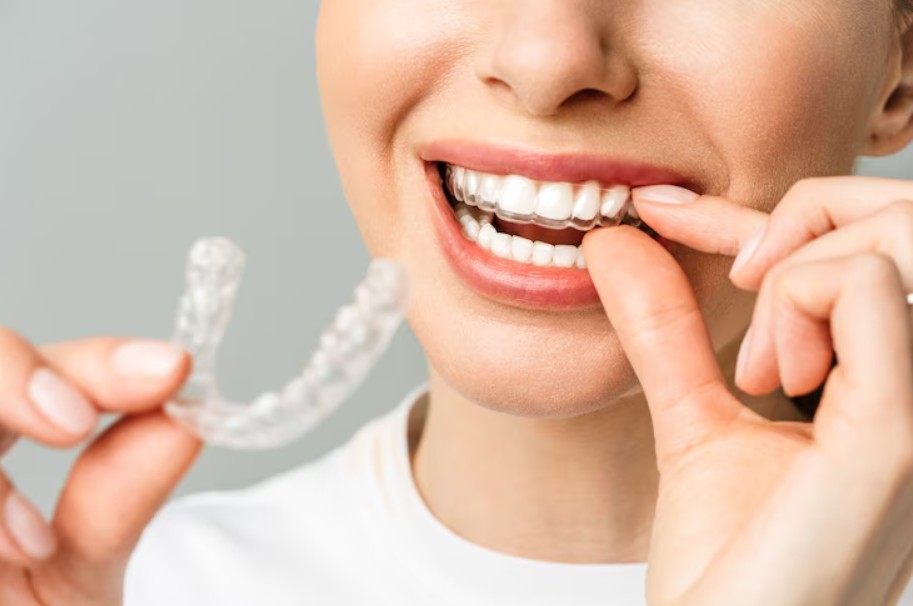
Completing your journey with Invisalign in Laurel MD is an exciting milestone. After months of dedication, regular visits, and daily wear, you now have the smile you have always wanted. However, finishing Invisalign does not mean your orthodontic care is over. The next phase—proper aftercare—is just as important as the treatment itself. Without the right habits, your teeth can gradually shift back toward their original positions. To maintain the alignment you worked hard to achieve, it is essential to follow a consistent care routine, wear your retainers as instructed, and keep your mouth healthy. A dentist near Laurel MD can guide you through the transition from active treatment to maintenance, ensuring your results last for years to come. This period is about protecting your investment, preserving your confidence, and keeping your smile as radiant as the day your aligners came off. By learning the right strategies now, you can enjoy your improved smile for a lifetime. In this guide, we will explore everything you need to know about caring for your teeth after Invisalign, from retainer care to daily hygiene, lifestyle adjustments, and the importance of regular dental visits.
Life After Invisalign—Why Aftercare Matters
The end of Invisalign treatment can feel like the finish line, but in reality, it is the beginning of a new phase: retention and long-term care. Your teeth are held in place by bone, gum tissue, and ligaments, but these structures need time to adapt to their new positions. Without proper retention, the teeth can begin to drift back toward where they started, undoing months of progress.
The most significant reason aftercare matters is stability. Immediately after treatment, your teeth are more susceptible to movement because the bone and surrounding tissues are still adjusting. A structured aftercare plan keeps your results intact and prevents relapse. Think of it as protecting a freshly set concrete pathway—it needs time to fully harden before it can handle everyday wear.
The Critical Role of Retainers
Once your aligners are gone, retainers become the unsung heroes of your smile. They are custom-made to fit your mouth perfectly and hold your teeth in their ideal positions while your bone and gums adjust.
Two main types of retainers are often recommended:
- Removable retainers (such as clear plastic retainers similar to Invisalign aligners): These are easy to clean and convenient for eating, but they require consistent wear to be effective.
- Fixed retainers (a thin wire bonded to the back of your teeth): These offer continuous support and are ideal for preventing lower front teeth from shifting.
Your dentist will advise how often to wear your retainers. Most patients start with full-time wear for several months, gradually reducing to nightly wear. The key is consistency—missing too many nights can lead to subtle but noticeable shifting.
Adjusting to Retainer Wear
For many, transitioning from Invisalign to retainers is straightforward, but there can be minor adjustments. At first, wearing retainers might feel slightly tight, especially if they have been out for a few hours. This is normal and a sign that your teeth are being kept in place.
To make the adjustment easier:
- Always store your retainers in their case when not in use to avoid loss or damage.
- Avoid exposing them to heat, as high temperatures can warp the material.
- Keep them clean by rinsing after each use and brushing gently with a soft toothbrush.
Daily Oral Hygiene After Invisalign
With Invisalign, you likely developed strong oral hygiene habits since you had to clean your teeth before putting aligners back in. Now is the time to maintain and even improve those routines.
Focus on these essentials:
- Brush twice daily with a fluoride toothpaste.
- Floss once a day to remove plaque and food particles between teeth.
- Rinse with an antimicrobial mouthwash to reduce bacteria and freshen breath.
Maintaining these habits not only protects your alignment but also keeps your teeth bright and your gums healthy. Straight teeth are easier to clean, so post-Invisalign hygiene can be more effective than before treatment.
Keeping Your Smile Bright
After Invisalign, many patients want to enhance their results with teeth whitening treatments. Your dentist can recommend safe options, whether in-office whitening for quick results or take-home kits for gradual improvement. Because your teeth are newly aligned, whitening can create a uniform brightness that enhances the symmetry of your smile.
To maintain a bright smile between treatments:
- Limit foods and drinks that stain, such as coffee, tea, and red wine.
- Rinse your mouth with water after consuming pigmented foods.
- Eat crunchy fruits and vegetables like apples and carrots, which help naturally clean teeth.
Diet and Lifestyle Considerations
Your diet can influence how well you maintain your smile. While Invisalign allowed you to eat freely during treatment, you still want to be mindful about what you consume afterward.
Best practices for a smile-friendly diet:
- Reduce sugary snacks and drinks to lower cavity risk.
- Avoid hard foods that could chip enamel or damage retainers.
- Stay hydrated to keep saliva levels healthy, which naturally washes away bacteria.
Lifestyle habits such as smoking or excessive alcohol consumption can stain teeth and affect gum health. Making mindful choices now will help protect your new alignment and keep your smile attractive.
Regular Dental Checkups
Even after Invisalign, regular dental visits are essential. Your dentist will monitor your bite, check for early signs of shifting, and ensure your retainers are fitting properly. Professional cleanings remove buildup that daily brushing may miss, keeping your teeth and gums in top condition.
During these visits, your dentist can also make adjustments to your retainers if needed. If a retainer becomes cracked, warped, or no longer fits snugly, replacing it promptly is critical to avoid unwanted movement.
Handling Minor Shifting
Sometimes, despite wearing retainers as instructed, minor shifting can occur. This may be due to natural changes in the mouth or inconsistent retainer wear. The good news is that small movements can often be corrected if addressed quickly. Your dentist may recommend wearing your retainer more frequently or, in some cases, using a short series of aligners to restore perfect alignment.
The sooner you address minor changes, the easier they are to correct. Ignoring them can lead to more significant shifting that requires longer and more involved treatment.
Caring for Fixed Retainers
If you have a bonded retainer, proper care is crucial to prevent buildup and gum irritation. These retainers sit behind the teeth and can trap food particles if not cleaned thoroughly.
Tips for cleaning around fixed retainers:
- Use a floss threader or water flosser to reach under the wire.
- Brush carefully along the gumline.
- Schedule regular professional cleanings to prevent tartar buildup.
Long-Term Retainer Maintenance
Retainers are durable but not indestructible. Clear retainers may need replacing every one to five years, depending on wear and care. Fixed retainers can last longer but may require occasional repairs if the bonding loosens.
Storing retainers properly, keeping them away from pets (who tend to chew them), and cleaning them daily will extend their life and keep them effective.
Emotional Benefits of Maintaining Your Smile
A confident smile affects more than your appearance—it influences how you feel and interact with others. Many patients notice improved self-esteem after Invisalign, which can translate into more openness in social settings, better first impressions, and even increased opportunities in professional environments.
By keeping your teeth aligned, you are also preserving the emotional boost you gained from your Invisalign journey. Every time you smile without hesitation, you reinforce the value of the effort you put into treatment.
Summary
Caring for your new smile after Invisalign is about more than wearing retainers—it is about committing to a lifetime of good oral health. From consistent hygiene and mindful eating to regular dental visits, each step plays a role in preserving the results you worked so hard to achieve. Retainers are your primary tool in preventing relapse, and maintaining them properly ensures your smile stays exactly as you want it.
Your Invisalign journey has given you more than straight teeth—it has given you confidence and the freedom to smile fully. To protect this achievement, follow the care steps outlined above and partner with a trusted dentist near Laurel MD for ongoing guidance. At Laurel Smile Design, our team is dedicated to helping you keep your results beautiful for years to come. Whether you need advice on retainer wear, professional cleaning, or whitening options, we are here to support you. If you are ready to continue giving your smile the attention it deserves after Invisalign in Laurel, MD, contact us today to schedule your post-treatment visit and keep your smile shining for a lifetime.