
Losing one or more teeth can affect much more than just your smile. It can change how you eat, speak, and even how confident you feel in daily life. Thankfully, modern dentistry offers reliable solutions to replace missing teeth, with dental implants and dentures being the most common options available today.
If you’re trying to decide between these two treatments, you’re not alone. Many patients ask the same questions when they visit Laurel Smile Design, a trusted Dentist in Laurel MD. Understanding the differences, benefits, and limitations of each option can help you make a confident and informed decision. This guide explains everything in simple terms, so you can choose the solution that best fits your lifestyle, comfort, and long-term dental goals.
What Happens When Missing Teeth Are Not Replaced?
When a tooth is lost and not replaced, the jawbone in that area slowly begins to shrink. Nearby teeth may shift into the empty space, leading to bite problems and uneven wear. Over time, missing teeth can also cause facial sagging, making a person look older than they are. Beyond physical changes, missing teeth often affect confidence. Many people avoid smiling or social situations because they feel self-conscious. That’s why choosing the right tooth replacement option is about more than looks, it’s about overall oral health and quality of life.
What Are Dental Implants and How Do They Work?
Dental implants are permanent tooth replacements designed to function just like natural teeth. A small titanium post is surgically placed into the jawbone, acting as an artificial tooth root. Over time, the bone fuses with the implant, creating a strong and stable foundation. Once healed, a custom crown is placed on top, giving you a tooth that looks, feels, and works like a natural one. Because implants are anchored in the bone, they help prevent bone loss and maintain the natural shape of your face.
Dr. Amna Choudhary and Dr. Sunny Choudhary provide expert dental implant treatments, guiding patients through every step of the process. With their care, patients can enjoy teeth that don’t shift or slip and can last for decades with proper maintenance, ensuring a confident smile for years to come.
Understanding Dentures and Their Benefits
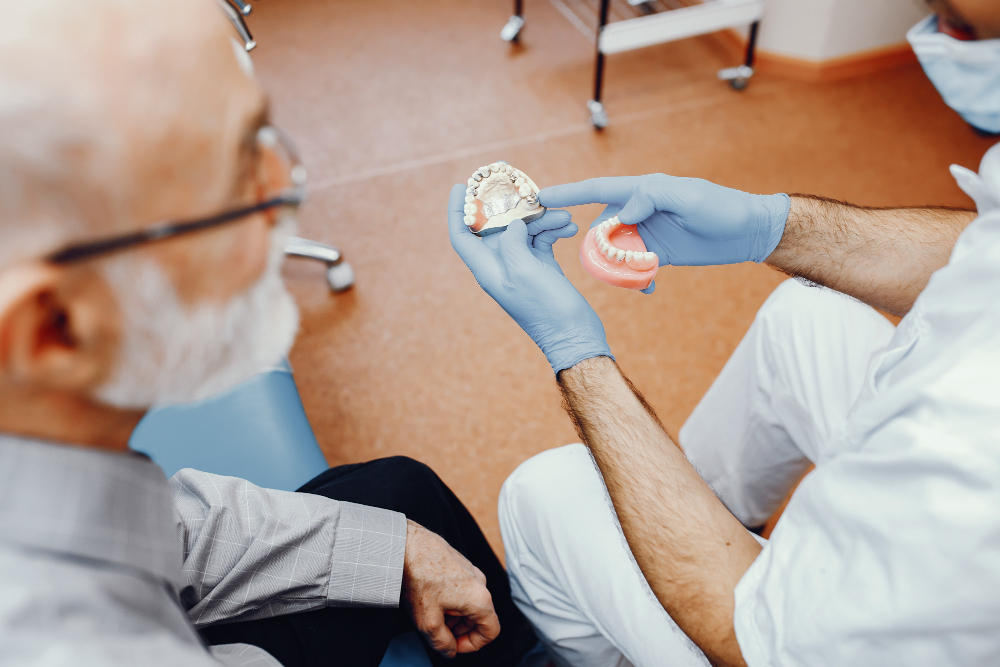
Dentures are removable appliances used to replace multiple missing teeth or an entire arch. They are typically made from acrylic or a combination of metal and acrylic, designed to rest on the gums. There are full dentures for patients who have lost all their teeth and partial dentures for those who still have some natural teeth remaining.
Dentures restore the appearance of a smile and allow patients to chew more comfortably than having no teeth at all. For many people, dentures are a practical and affordable solution, especially when bone density is not sufficient for implants or when multiple teeth need to be replaced at once.
Main Differences Between Dental Implants and Dentures
While both treatments serve the same purpose, their experience and long-term results are quite different. Dental implants are fixed in place and function like natural teeth, while dentures are removable and rely on the gums for support. Implants offer superior stability and comfort because they integrate with the jawbone.
Dentures, on the other hand, may feel bulky at first and can sometimes move while eating or speaking. Adhesives can help, but they don’t provide the same confidence as implants. Another key difference is bone health. Implants stimulate the jawbone, preventing bone loss. Dentures do not, which means bone shrinkage can continue over time, sometimes requiring denture adjustments or replacements.
Which Option Looks and Feels More Natural?
Dental implants are widely considered the most natural-looking tooth replacement. Because they are custom-designed and securely placed, they blend seamlessly with surrounding teeth. Most people can’t tell the difference between an implant and a natural tooth.
Dentures have improved significantly over the years and can still provide an attractive smile. However, some patients feel that dentures don’t feel as natural, especially during the initial adjustment period. Speech and chewing may take time to adapt. If a natural feel is your top priority, implants usually provide the closest match to real teeth.
How Long Do Dental Implants and Dentures Last?
Dental implants are built to last. With good oral hygiene and regular dental checkups, they can last 20 years or even a lifetime. The crown on top may need replacement after many years, but the implant itself is extremely durable. Dentures typically last between 5 to 10 years. Over time, changes in the jawbone and gums can cause them to loosen, requiring relining or replacement. Normal wear and tear can also affect their fit and appearance. When thinking long-term, implants often provide better value despite the higher initial cost.
Is the Treatment Process Different for Implants and Dentures?
Yes, the treatment timeline is very different. Dental implants require a multi-step process that includes placement, healing time, and final restoration. The entire process can take several months, but the result is a permanent and stable solution. Dentures usually involve fewer appointments and can be completed much faster. After impressions are taken, the dentures are fabricated and fitted. Adjustments may be needed to improve comfort and fit. Patients who want immediate results may lean toward dentures, while those focused on long-term stability often choose implants.
Are Dental Implants Painful Compared to Dentures?
Many patients worry about pain when they hear the word “surgery,” but dental implant procedures are usually very comfortable. Local anesthesia is used, and most people report mild soreness that resolves within a few days. Dentures don’t involve surgery, but they can cause gum irritation, sore spots, or pressure, especially when new. Adjustments are often needed during the first few weeks to improve comfort. Both options are manageable, and a skilled dental team will ensure you stay as comfortable as possible throughout the process.
Comparing the Costs of Implants and Dentures
Dentures are generally more affordable upfront, making them a popular choice for patients on a budget. However, ongoing costs for adjustments, relines, and replacements can add up over time. Dental implants have a higher initial cost, but they often require fewer long-term expenses. Because they don’t need frequent replacement and help preserve bone health, many patients see them as a long-term investment. Discussing your budget, insurance coverage, and financing options with a Dentist in Laurel MD can help you choose the best solution without stress.
Which Option Is Easier to Maintain?
Dental implants are cared for just like natural teeth. Brushing, flossing, and regular dental visits are usually all that’s needed to keep them healthy. Dentures require daily removal for cleaning and soaking. Food particles can get trapped underneath, making proper hygiene essential to avoid irritation or infections. If convenience and simplicity matter to you, implants may be the easier option in the long run.
Identifying Ideal Candidates for Dental Implants
Good candidates for implants typically have healthy gums and sufficient jawbone to support the implant. Non-smokers or those willing to quit smoking often experience better outcomes. Patients with medical conditions like diabetes can still receive implants, but proper management and evaluation are important. A consultation with a Dentist in Laurel MD will determine whether implants are a safe and effective option for you.
Can Dentures Still Be the Right Choice for Some Patients?
Absolutely. Dentures remain a reliable solution for many people, especially those missing multiple teeth or who are not candidates for surgery. They can significantly improve appearance, speech, and chewing ability when properly fitted. For patients seeking a faster or more affordable option, dentures may be the best starting point. Some even transition from dentures to implants later on. A trusted Laurel Dentist can guide you through these choices based on your oral health and personal needs.
How Do You Decide Which Is Right for You?
Choosing between dental implants and dentures depends on several factors, including your oral health, lifestyle, budget, and long-term expectations. There is no one-size-fits-all answer. What matters most is having a detailed discussion with your dental provider, asking questions, and understanding the pros and cons of each option. With the right guidance, you can select a solution that restores your smile and confidence for years to come.
Final Thoughts
Both dental implants and dentures are effective tooth replacement options, each with unique advantages. Whether you’re looking for permanence, affordability, or convenience, modern dentistry offers solutions tailored to your needs. If you’re considering tooth replacement, schedule a consultation to explore your options and take the first step toward a healthier, more confident smile.