
Every parent wants their child to have a happy and confident smile. Sometimes, small dental problems in childhood can turn into bigger issues later if they are not treated early. Crooked teeth, crowded teeth, bite problems, or jaw misalignment may not be easy to notice at first. But early detection can make treatment much simpler and more effective. If you are considering Orthodontics in Laurel MD, getting your child’s teeth checked at the right time can help prevent future complications.
Watch for early signs like difficulty chewing, mouth breathing, thumb sucking after age 5, gaps or overcrowded teeth, or jaws that make sounds while opening and closing. These signs may indicate that your child needs an orthodontic evaluation. At Laurel Smile Design, we guide parents through every step and provide the right treatment at the right time, helping children grow up with healthy, straight, and confident smiles.
What Is Early Orthodontic Treatment?
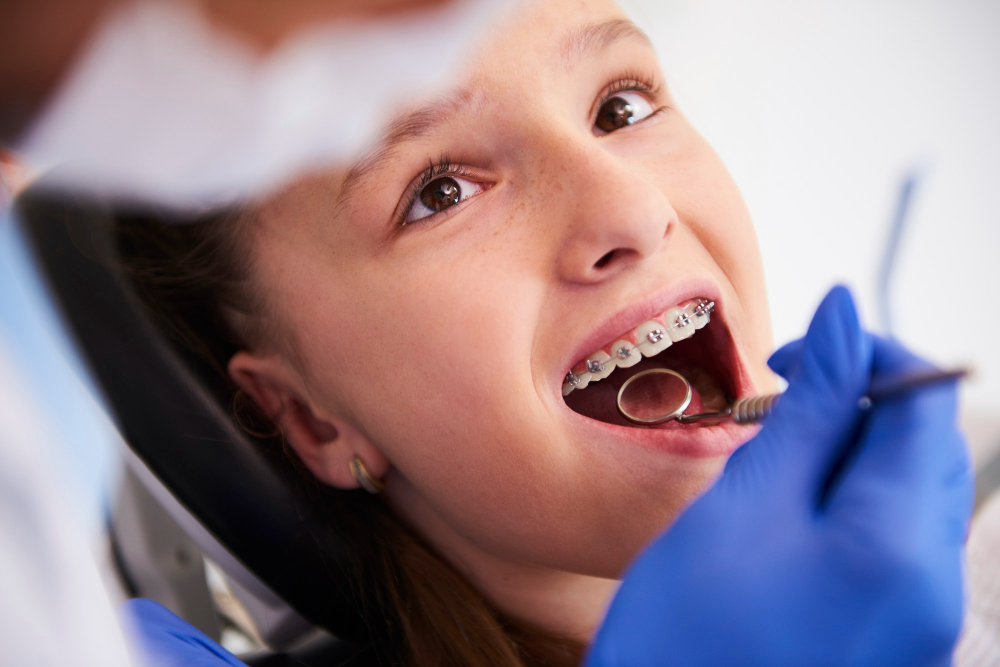
Early orthodontic treatment, also called Phase 1 treatment, usually begins between the ages of 6 and 10. At this stage, children still have a mix of baby teeth and permanent teeth. The goal is not always to place full braces immediately. Instead, the focus is on guiding jaw growth, correcting bite problems, and creating enough space for permanent teeth to come in properly.
The American Association of Orthodontists recommends that children have their first orthodontic evaluation by age 7. This does not mean your child will automatically need braces. It simply allows the orthodontist to identify small issues before they turn into major concerns. When families visit a trusted Dentist in Laurel MD, they can receive proper guidance about whether early orthodontic care is necessary or if monitoring is enough.
Why Is Early Evaluation Important?
Many orthodontic problems are easier to correct when a child’s jaw is still growing. During childhood, the bones are more flexible and responsive to treatment. This makes it possible to correct alignment and bite issues more efficiently compared to waiting until adulthood.
Early treatment can:
- Help the jaw grow in the right way
- Stop bad oral habits like thumb sucking
- Lower the chance of injury to front teeth that stick out
- Help children speak more clearly
- Make future dental treatment easier and faster
Delaying care may lead to more complex procedures later, including tooth extractions or even oral surgery. Early monitoring helps prevent these situations.
Signs Your Child May Need Early Orthodontic Treatment
Not every child will need early treatment, but there are certain signs parents should watch for. If you notice any of the following concerns, it may be time to schedule a consultation.
Does Your Child Have Difficulty Biting or Chewing?
If your child struggles to bite into food or chew properly, it could indicate a bite problem. Children may avoid certain foods or chew only on one side of the mouth. This can lead to uneven wear on teeth and jaw discomfort. Properly aligned teeth allow for efficient chewing and better digestion. When bite issues are corrected early, children can eat comfortably and maintain good oral health.
Are the Teeth Crowded or Overlapping?
Crowding is one of the most common orthodontic issues. If permanent teeth appear to be overlapping, twisted, or coming in at unusual angles, there may not be enough space in the jaw. Early orthodontic treatment can create space and guide incoming teeth into the correct position. Without intervention, severe crowding can make brushing and flossing difficult, increasing the risk of cavities and gum disease.
Does Your Child Have an Underbite, Overbite, or Crossbite?
Bite problems are often visible to parents. An overbite occurs when the upper front teeth stick out too far over the lower teeth. An underbite is when the lower teeth extend beyond the upper teeth. A crossbite happens when some upper teeth sit inside the lower teeth when biting down.
These issues are more than cosmetic concerns. They can cause jaw pain, uneven tooth wear, and speech difficulties. Early correction helps ensure proper jaw alignment and long-term oral health. If you are considering Orthodontics in Laurel MD, a professional evaluation can determine the severity of the bite issue and suggest the best course of action.
Is There Early or Late Loss of Baby Teeth?
Baby teeth play a very important role in guiding permanent teeth into their correct positions. If your child loses baby teeth too early due to decay or injury, nearby teeth may shift into the empty space. On the other hand, if baby teeth remain in place for too long, they can block permanent teeth from erupting properly. Both situations may lead to alignment problems that require orthodontic care. Regular dental check-ups help monitor tooth development and catch these issues early.
Does Your Child Breathe Through the Mouth?
Chronic mouth breathing can affect jaw development and facial growth. Children who breathe mainly through their mouths may develop long, narrow faces or misaligned bites. Mouth breathing is sometimes linked to allergies or enlarged tonsils, but it can also contribute to orthodontic concerns. Addressing this issue early can improve both oral and overall health.
Are There Speech Difficulties?
Certain orthodontic problems can affect speech clarity. If your child struggles with pronouncing certain sounds, such as “s” or “th,” misaligned teeth may be a contributing factor. Correcting bite and alignment issues can improve speech development and boost your child’s confidence in communication.
Does Your Child Suck Their Thumb Beyond Age 5?
Thumb sucking is common in infants and toddlers. However, if the habit continues past age 5, it can interfere with proper jaw and tooth development. Prolonged thumb sucking may cause the upper teeth to protrude or create an open bite. Early orthodontic intervention can help correct these changes and prevent long-term damage.
What Happens During an Early Orthodontic Consultation?
During an initial visit, the dental team will examine your child’s teeth, jaw alignment, and overall oral development. Digital X-rays and photographs may be taken to get a clear picture of what is happening beneath the surface.
The orthodontist will then determine whether:
- No treatment is needed at this time
- Monitoring growth is recommended
- Early intervention would be beneficial
Many parents feel relieved after this consultation because they finally understand their child’s needs and future treatment plan.
Is Early Treatment Always Necessary?
Not every child requires early orthodontic treatment. In some cases, waiting until most permanent teeth have erupted is the best approach. The key is early evaluation, not necessarily early braces. Monitoring allows dental professionals to track growth and begin treatment at the ideal time. This balanced approach avoids unnecessary procedures while ensuring problems are not ignored.
How Early Orthodontic Care Benefits Your Child
Choosing timely orthodontic care can positively impact your child in many ways. Beyond straight teeth, treatment can:
- Improve self-esteem by enhancing the smile
- Reduce the risk of dental injuries
- Make brushing and flossing easier
- Prevent abnormal tooth wear
- Support proper jaw development
Children who receive early guidance often experience smoother and shorter treatment during their teenage years.
How Can Parents Support Healthy Orthodontic Development?
Parents play a crucial role in maintaining their child’s oral health. Encouraging proper brushing and flossing habits is essential. Regular dental visits ensure early detection of alignment issues. Limiting sugary snacks and drinks reduces the risk of cavities that could lead to premature tooth loss.
Additionally, discouraging harmful habits like thumb sucking or nail biting can prevent unnecessary orthodontic complications. Creating a positive attitude toward dental visits helps children feel comfortable and less anxious about treatment if it becomes necessary.
When Should You Schedule an Evaluation?
If your child is around age 7 and has not yet had an orthodontic evaluation, now is a good time to consider one. Even if you do not see obvious problems, a professional assessment provides peace of mind. If you notice crowding, bite issues, speech concerns, or prolonged oral habits, scheduling a consultation sooner may be beneficial. Finding a trusted provider for Orthodontics in Laurel MD ensures your child receives expert guidance tailored to their unique dental development.
Why Choose Laurel Smile Design for Your Child’s Orthodontic Care?
At Laurel Smile Design, we understand that every child’s smile is unique. Our team focuses on gentle, personalized care that makes children feel safe and comfortable. We believe in educating parents so they can make informed decisions about their child’s oral health.
From routine check-ups to advanced orthodontic solutions, our comprehensive approach ensures your family receives complete dental care under one roof. Early evaluations, preventive care, and customized treatment plans help create healthy, confident smiles that last a lifetime.
Final Thoughts
Early orthodontic treatment does not mean putting braces on your child too soon. It means checking how your child’s teeth and jaw are growing and fixing small problems before they turn into big ones. Finding these issues early can save time, lower treatment costs, and prevent pain or discomfort later.
If you see problems like crooked teeth, difficulty biting or chewing, unclear speech, or habits like thumb sucking, it’s a good idea to schedule a dental check-up. Getting help at the right time can improve your child’s oral health and boost their confidence. A healthy smile starts with being aware and getting the right professional advice. When you stay informed and take action early, you help your child build strong, beautiful teeth for life.