
Playing sports is a great way to stay healthy, active, and confident. Games like football, basketball, baseball, hockey, cycling, and skateboarding are good for both physical and mental health. However, many people focus on protecting their body and forget about protecting their teeth. Sports injuries can cause broken teeth, chipped teeth, or jaw pain, which may lead to costly dental treatment and discomfort.
At Laurel Smile Design, many patients are surprised to learn how common sports-related dental injuries can be. The good news is that most of these problems can be prevented by taking simple safety measures like wearing a mouthguard. If you are looking for a reliable Dentist in Laurel, learning how to protect your teeth during sports can help you maintain a healthy smile for years to come.
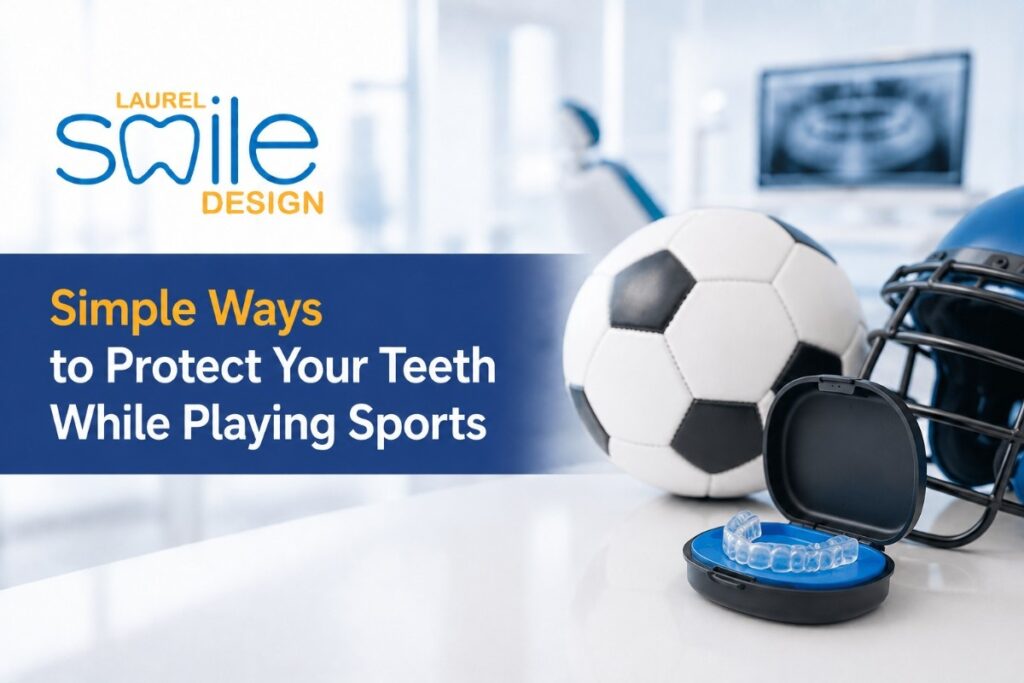
Why Are Teeth Injuries Common in Sports?
Sports often involve fast movements, physical contact, sudden falls, and accidental hits. Even sports without direct contact can still cause dental injuries. A ball hitting the mouth, falling off a bicycle, or bumping into another player can damage teeth very quickly.
Children and teenagers are more likely to face these injuries because they regularly take part in school sports and outdoor activities. Adults who enjoy fitness programs or competitive sports can also experience serious dental problems due to sports-related accidents.
Some common sports-related dental problems include:
- Chipped teeth
- Cracked teeth
- Knocked-out teeth
- Lip and tongue injuries
- Jaw fractures
- Tooth sensitivity after impact
Many people believe these injuries only happen in aggressive sports like boxing or football, but they can happen in basketball, volleyball, skating, and even running. This is why dental professionals at Laurel Smile Design always encourage preventive care for athletes of all ages.
How Can a Mouthguard Protect Your Teeth?
One of the easiest and most effective ways to protect your teeth while playing sports is by wearing a mouthguard. A mouthguard acts like a cushion between your teeth and external impact. It absorbs shock and reduces the risk of broken teeth and jaw injuries. According to many dental experts, athletes who wear mouthguards are far less likely to experience serious dental trauma.
There are three main types of mouthguards:
- Stock Mouthguards : These are pre-made mouthguards available at sports stores. They are affordable but may not fit perfectly. Because of the loose fit, many athletes find them uncomfortable.
- Boil-and-Bite Mouthguards : These mouthguards soften in hot water and mold to the shape of your teeth. They provide better protection than stock mouthguards and are commonly used by athletes.
- Custom Mouthguards : Custom-made mouthguards are designed specifically for your teeth by a dental professional. They offer the best comfort, fit, and protection. Many athletes prefer custom mouthguards because they allow easier breathing and speaking during games.
At Laurel Smile Design, patients can learn about personalized dental solutions that improve comfort and protection during sports activities.
Which Sports Require Mouthguards?
Many people only wear mouthguards during football or boxing, but dental injuries can happen in almost any sport.
You should strongly consider wearing a mouthguard during:
- Football
- Basketball
- Hockey
- Baseball
- Soccer
- Wrestling
- Skateboarding
- Cycling
- Martial arts
- Volleyball
Even if the sport is considered low-contact, accidental falls and collisions can still happen. If you regularly participate in sports and have not started using a mouthguard yet, visiting a Dentist in Laurel can help you choose the right option for your needs.
Can Helmets Help Protect Teeth Too?
Yes, helmets play an important role in dental safety. While helmets mainly protect the brain and skull, they also reduce facial injuries during falls and collisions. Sports like biking, cricket, baseball, skating, football, and hockey require proper helmets for maximum protection.
A helmet combined with a mouthguard creates stronger overall protection for the face and mouth. Always choose helmets that fit properly and meet safety standards. Loose or damaged helmets may not provide enough protection during impact.
Why Should Athletes Avoid Chewing Ice or Hard Candy?
Many athletes develop habits like chewing ice, hard candy, or pen caps during practice or games. These habits can weaken teeth over time and increase the chance of cracks or fractures during sports injuries.
Teeth that are already weakened are more likely to break during sudden impact. Strong teeth are better able to handle accidental pressure and trauma. Maintaining healthy eating habits is an important part of preventing dental emergencies.
Does Hydration Affect Oral Health During Sports?
Yes, hydration plays a bigger role than many people realize.
During sports activities, dehydration can reduce saliva production. Saliva helps protect teeth by washing away bacteria and neutralizing acids inside the mouth. Sports drinks are another concern. While they help replace electrolytes, many contain high sugar and acid levels that can weaken enamel over time.
Instead of constantly sipping sugary drinks, athletes should:
- Drink more water
- Rinse the mouth after sports drinks
- Avoid excessive sugary beverages
- Maintain proper oral hygiene after practice
Proper hydration supports both athletic performance and oral health.
What Should You Do If a Tooth Gets Knocked Out?
A knocked-out tooth is a dental emergency. Acting quickly can sometimes save the tooth.
If this happens during sports:
- Pick up the tooth carefully by the crown, not the root.
- Rinse it gently with clean water if dirty.
- Try placing it back into the socket if possible.
- If not, store it in milk or saliva.
- Visit a dentist immediately.
The sooner treatment begins, the higher the chance of saving the tooth. Laurel Smile Design encourages patients to seek emergency dental care quickly after sports injuries to improve recovery outcomes.
How Important Are Regular Dental Checkups for Athletes?
Routine dental visits are extremely important for athletes because small dental issues can become serious during sports activities.
For example:
- Weak fillings may break during impact
- Untreated cavities can weaken teeth
- Gum disease may affect oral stability
- Misaligned teeth may increase injury risk
Regular dental exams help identify these problems early before they become emergencies.
Athletes who participate in sports year-round should maintain consistent dental checkups to keep their teeth strong and healthy. If you are looking for reliable dental treatment in Laurel, preventive care can help reduce future dental complications and improve overall oral health.
Can Invisalign Help Protect Athletes’ Smiles?
Many athletes today choose Invisalign because it straightens teeth without traditional metal braces. While Invisalign aligners are not sports mouthguards, they may reduce irritation caused by metal brackets during sports.
However, athletes wearing Invisalign should still use a proper sports mouthguard for complete protection. Patients interested in cosmetic improvements and sports-friendly dental solutions often consult professionals like Dr. Amna Choudhary & Sunny Choudhary for guidance on maintaining oral health while staying active.
What Are the Best Habits for Preventing Sports-Related Dental Injuries?
Protecting your teeth does not require complicated steps. Small daily habits can make a huge difference.
Some of the best preventive habits include:
- Wear Protective Gear Consistently : Never skip your mouthguard or helmet, even during practice sessions.
- Maintain Strong Oral Hygiene : Brush twice daily, floss regularly, and reduce sugary foods to keep teeth healthy and durable.
- Replace Damaged Mouthguards : Old or worn-out mouthguards may not provide enough protection.
- Avoid Using Teeth as Tools : Never use your teeth to open bottles, tear packaging, or hold sports equipment.
- Visit Your Dentist Regularly : Routine checkups help detect hidden dental problems early.
At Laurel Smile Design, preventive care is considered one of the most important steps toward protecting long-term oral health.
Are Children More Vulnerable to Dental Injuries in Sports?
Yes, children and teenagers are especially vulnerable because they are still developing coordination and balance skills. Their teeth and jaws may also be more sensitive to impact injuries.
Parents should encourage children to:
- Wear mouthguards during sports
- Follow safety rules
- Use proper sports equipment
- Maintain healthy oral hygiene habits
Teaching these habits early can protect children from long-term dental complications.
How Can Coaches and Parents Support Dental Safety?
Coaches and parents play a major role in preventing sports-related dental injuries.
They can help by:
- Encouraging athletes to wear mouthguards
- Teaching proper sports techniques
- Creating awareness about dental safety
- Keeping emergency dental information accessible
- Replacing damaged sports gear regularly
When dental safety becomes part of sports culture, injury risks decrease significantly.
Final Thoughts
Sports are exciting, healthy, and rewarding, but protecting your smile should always be part of the game plan. A single accident can lead to painful injuries and costly dental procedures, yet many of these problems are completely preventable. Simple habits like wearing a mouthguard, staying hydrated, maintaining oral hygiene, and visiting your dentist regularly can help keep your teeth safe during sports activities.
At Laurel Smile Design, patients are encouraged to take preventive dental care seriously so they can continue enjoying sports confidently and safely. Whether you are a student athlete, a weekend cyclist, or someone who enjoys recreational sports, protecting your teeth today can save you from major dental problems tomorrow.
If you are searching for a trusted Dentist in Laurel, taking preventive dental care seriously is one of the smartest decisions you can make for your long-term oral health. Schedule your visit today!